
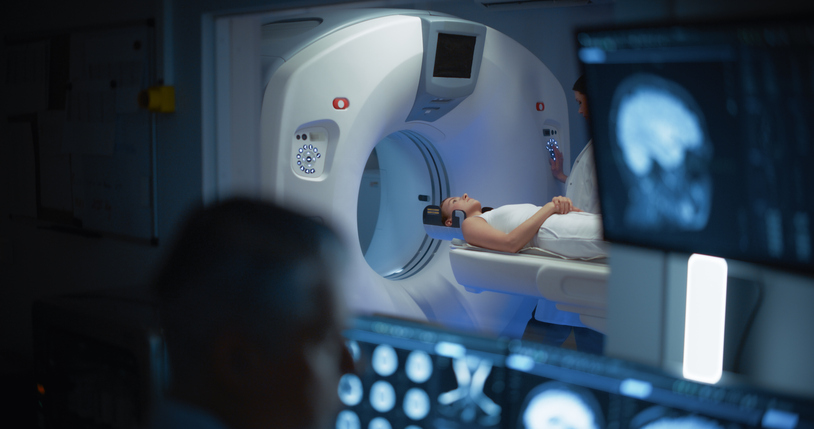
MRIs are a common form of imaging to diagnose injuries, but what if an MRI shows nothing after a car accident? If this is the case, you likely have other imaging and evaluation to identify and document.
A Greenville car accident lawyer at Smith Jordan Law is prepared to guide you through the steps necessary to get the evidence you need in your injury case.
Can you still be injured if an MRI shows nothing?
You can still have an injury, even if one is not detected on your Magnetic Resonance Imaging (MRI) scan. This may happen for several reasons:
- Your injury is not the type that shows up on an MRI
- The scan was done too early to detect injury or inflammation
- The injured area is obscured by inflammation from the accident
- The machine has not been adequately maintained
- The interpreting provider fails to notice subtle indicators
Just because your MRI does not show an obvious sign of injury, it does not mean it doesn’t exist. Especially if you are experiencing pain.
What types of car accident injuries may not show up on an MRI?
While MRIs are the most sensitive imaging commonly used for car accident injuries, they are not perfect. For example, people frequently suffer spinal injuries such as herniated discs which do not appear to be contacting a nerve on the MRI, despite symptoms that clearly show that the nerve is being affected. Similarly, functional injuries that affect joints may be more difficult to identify without evaluating motion.
Additionally, sprains, strains, slight fractures or very small tears to soft tissue can be difficult to see, and nerve pain may require diagnosis by a nerve study rather than imaging alone.
Why do insurance companies focus on MRI results?
Insurance companies tend to prefer MRI results due to the higher image quality and the level of detail it often provides. With few exceptions, an MRI typically provides more information than an X-ray or CT scan alone- specially for ligaments and other non-bony tissue.
Additionally, many insurance providers see self-reporting as an inaccurate measure of pain. They typically prefer to have imaging available to provide physical evidence of the pain you report.
What should you do if you still have pain but imaging tests are normal?
If your MRI fails to show a reason for your pain, you can speak with your doctor about other possible causes. If you feel that your current team is not taking your pain seriously, you should seek a second opinion.
Can you still recover compensation if your MRI shows nothing?
Even if your MRI fails to show an injury, you may still be eligible for compensation, or your physician may use other forms of diagnosis, such as a physical exam, nerve conduction study, or other forms of imaging to confirm your injuries. While an MRI image may make it easier to argue your injuries, you may also be eligible to file compensation for things like:
- Medical costs
- Pain and suffering
- Time missed from work
- Property damage
The type of compensation available will depend heavily on your specific situation, but the attorneys at Smith Jordan Law are here to help you identify all possible avenues for recovery.
Talk to a Greenville car accident lawyer about your injury
Navigating medical care after an accident can seem like a full-time job in and of itself. The experienced team at Smith Jordan Law knows what to look out for when it comes to common injuries and even roadblocks like an MRI that missed an injury.
We may be able to refer you to specialists who are more familiar with your type of pain, and help you advocate for yourself to get the treatment you need. You can call us today at (864) 343-2222 or reach out online to schedule your free case consultation to learn more.